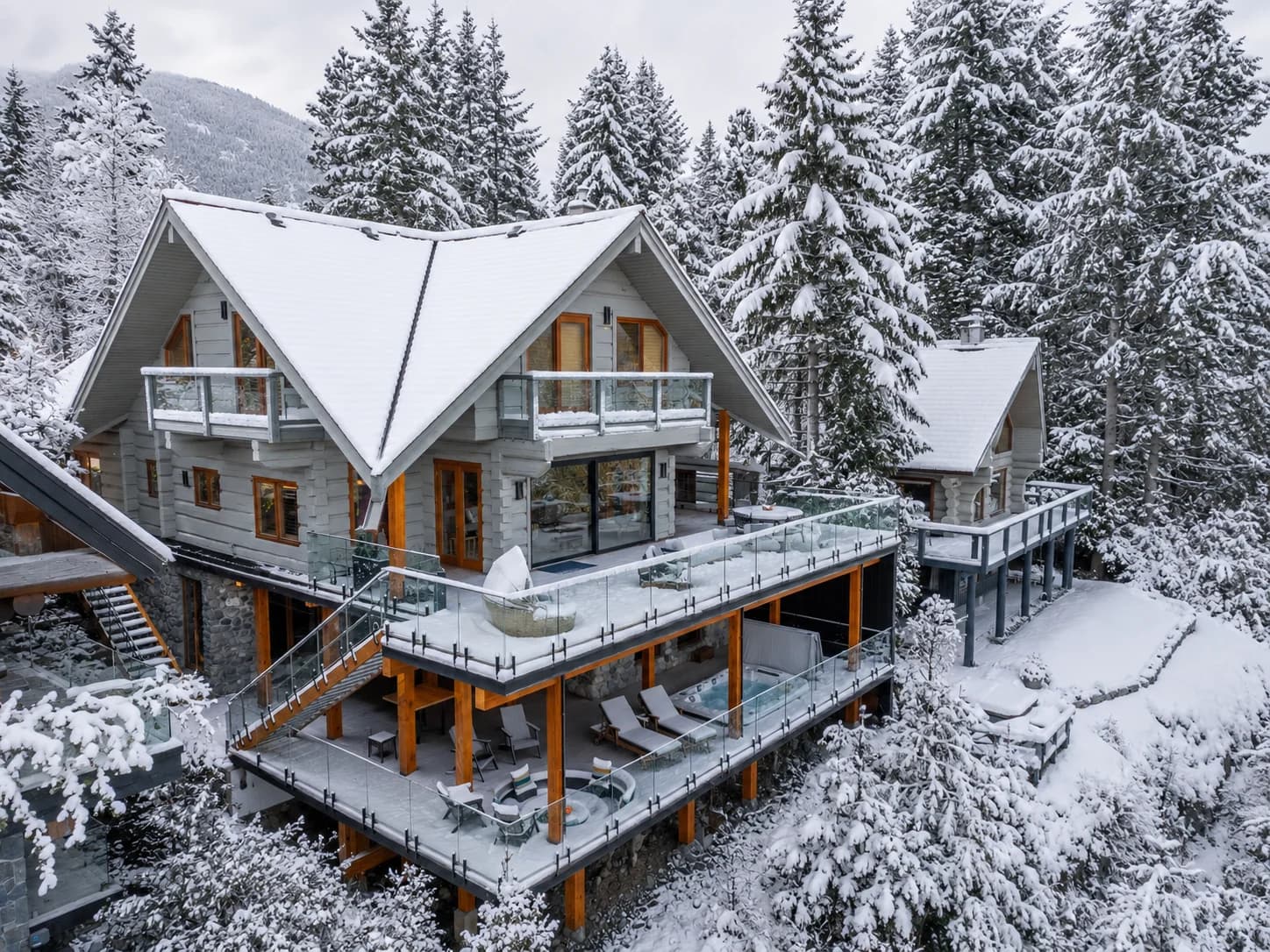
Airbnb can provide valuable exposure for a Vail vacation home, but creating a listing is only one small part of operating the property successfully. Homeowners also need to consider licensing, taxes, pricing, housekeeping, maintenance, guest support, neighbor relations and the long-term condition of the home.
In a destination such as Vail, the difference between basic Airbnb assistance and complete vacation rental management becomes especially important. A manager may be able to answer guest messages, but that does not necessarily mean they can prepare a luxury home, respond to an overnight heating problem, coordinate an urgent repair or build a pricing strategy around Vail's changing seasons.
For homeowners, the right question is not simply, “Who can manage my Airbnb?” It is, “Who can protect my home, represent it properly and operate the entire rental business responsibly?”
Quick answer
Professional Airbnb management in Vail should include much more than listing administration. A complete service should address local licensing, seasonal pricing, guest communication, turnover inspections, maintenance coordination, emergency response, owner reporting and the physical care of the property.
Before choosing a manager, homeowners should also understand who controls the Airbnb listing, how fees are calculated, how personal stays are handled and what happens to the listing relationship if the management agreement ends.
Airbnb is a booking channel, not a complete management system
Airbnb helps connect hosts with travelers. It provides listing tools, reservation processing, guest messaging, reviews and payment infrastructure. Those features are valuable, but Airbnb does not physically prepare the property or manage every issue that can occur inside it.
The operational work still needs to happen locally. Someone must confirm that the cleaners arrived, inspect the home before check-in, replace missing supplies, coordinate maintenance, answer access questions and respond when a guest reports a problem.
For a Vail homeowner, complete management generally has several connected parts:
- Listing creation and optimization
- Seasonal pricing and minimum-stay rules
- Calendar and reservation management
- Guest screening and communication
- Local licensing and compliance support
- Housekeeping and turnover coordination
- Pre-arrival property inspections
- Maintenance and emergency response
- Damage documentation
- Owner statements and expense reporting
- Concierge and trip-planning assistance
- Ongoing property improvement recommendations
A weakness in one area can affect all the others. Excellent marketing cannot compensate for poor housekeeping. Strong nightly rates can be undermined by frequent maintenance emergencies. Fast guest messaging is not enough if nobody can reach the property.
AceHost Vail treats Airbnb as one booking channel inside a broader operating plan. A single platform is not the whole marketing system, and the listing still depends on the house being ready.
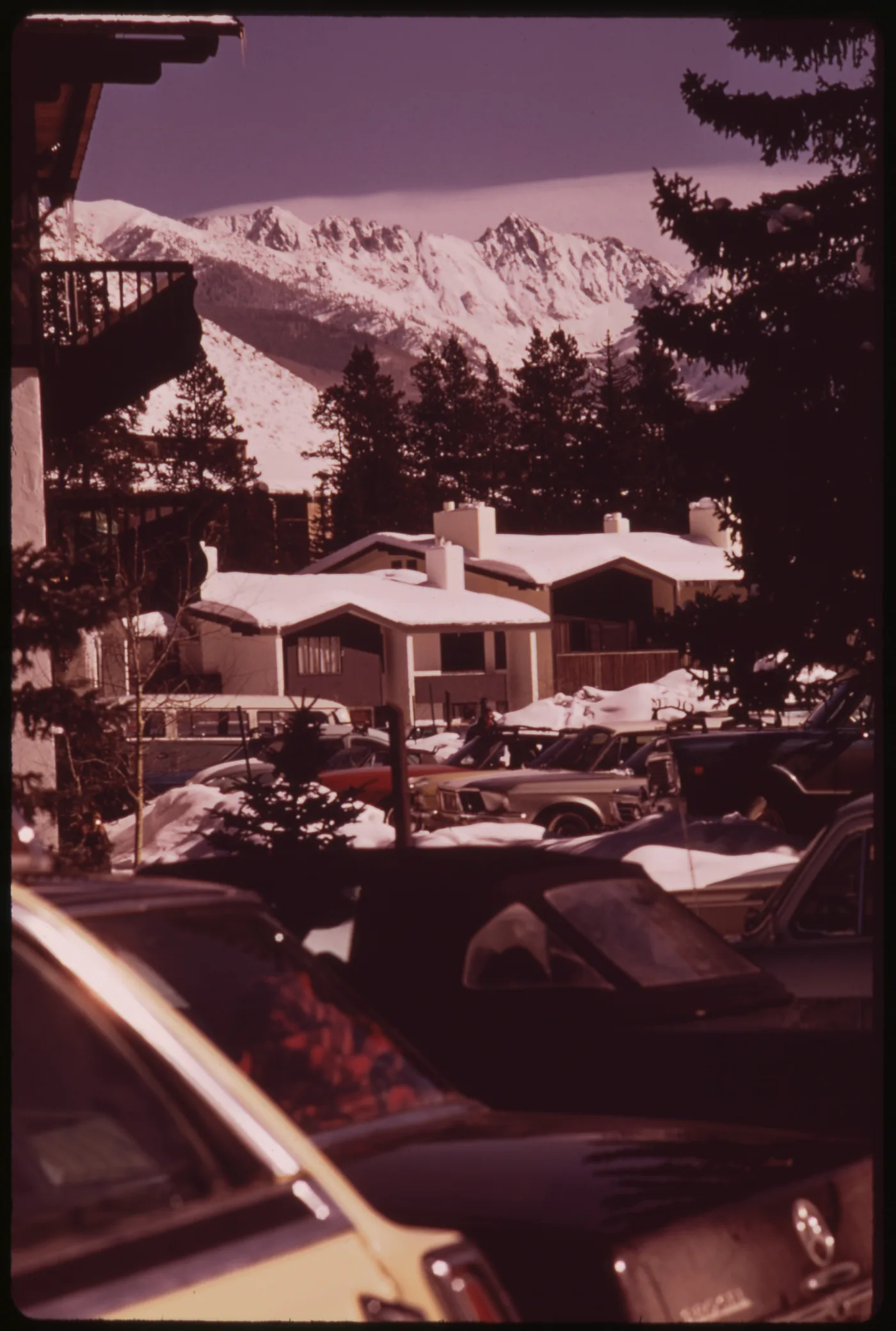
Condominiums at the base of Vail Mountain in 1974. Photograph by Ron Hoffman, U.S. Environmental Protection Agency and National Archives. Public domain, via Wikimedia Commons.
Vail has specific short-term-rental requirements
Before advertising a Vail property on Airbnb, an owner should confirm that the home is eligible for short-term rental use.
The Town of Vail defines a short-term rental as a residential dwelling unit, or a room within one, that is available for stays of fewer than 30 consecutive days. An approved short-term-rental license is required before a qualifying property is advertised and operated within Town boundaries.
As of September 2026, the Town lists three license categories:
- Individual property owner
- Professional property manager
- On-site 24/7 front-desk managed
For an individually managed property, the designated local representative must be physically located within 60 minutes of the home and available 24 hours a day. Professional property managers must also be available around the clock and are required to hold a Town of Vail business license, regardless of where their office is located.
The Town currently requires at least $1 million in liability coverage for short-term-rental activity. A fire inspection is also required where applicable. Published registration fees are currently $260 for individual-owner and professional-manager licenses, and $50 for qualifying properties with on-site 24-hour management.
The Town states that these current licenses expire on February 28, 2027. Requirements and fees can change, so homeowners should always verify the latest information directly through the Town of Vail. Official Town of Vail short-term-rental requirements are published on the Town website.
This article provides general information and should not be treated as legal or tax advice. For a fuller compliance walkthrough, including taxes and platform operations, see our guide to Vail property management for Airbnb and short-term rentals.
Local response is more than a convenience
A local representative is not simply someone whose phone number appears on an application.
When a complaint is made, the Town states that the local representative must resolve the issue within 60 minutes. For problems occurring between 11 p.m. and 7 a.m., the response period is 30 minutes. Visiting the property may be necessary.
The Town currently publishes the following penalties:
- $1,500 for a first violation within a 12-month period
- $2,650 for a second violation within a 12-month period
- A three-year suspension of the STR license for a third violation
Those figures and procedures are summarized on the Town's short-term-rental complaint rules. Confirm them before relying on the numbers.
A homeowner should therefore ask a potential Airbnb manager who actually answers the phone overnight, who is authorized to visit the home and how incidents are documented.
A remote messaging team may provide quick written replies, but the property still needs dependable local coverage.
Vail pricing should change throughout the year
Vail is highly seasonal, but seasonality involves more than charging more during the winter.
Christmas and New Year demand behaves differently from an ordinary January week. Presidents' Day, spring break, weekends, summer events and quieter shoulder periods can each require different nightly rates, minimum stays and booking rules.
A strong pricing strategy should consider:
- Current booking pace
- Comparable properties
- Bedroom count and guest capacity
- Proximity to lifts, villages and transportation
- Ski-in and ski-out access
- Parking and building amenities
- Holidays and local events
- Weekday versus weekend demand
- Lead time before arrival
- Length-of-stay patterns
- Unbooked gaps between reservations
- Owner-blocked dates
- Changes in competing inventory
The goal is not maximum occupancy at any cost. A calendar can appear busy while still underperforming financially if high-demand dates were sold too cheaply or excessive discounts reduced the average nightly rate.
Owners should evaluate gross rental revenue, average nightly rate, occupancy, booking pace and net owner income together.
Gross revenue is not the same as owner income
Revenue projections can be useful, but only when the assumptions are visible.
A homeowner should understand which deductions sit between the guest's total payment and the owner's final proceeds. These may include:
- Platform service fees
- Management fees
- Cleaning and linen costs
- Credit-card or payment-processing charges
- Taxes
- Maintenance
- Consumable supplies
- Damage not recovered from the guest
- Insurance
- Licensing
- HOA expenses
- Utilities
- Capital improvements
Airbnb explains that the listing owner's payout is generally calculated from the nightly price and optional charges, minus the host service fee and any co-host payout arrangements. Refunds, adjustments, discounts and currency settings can also affect the final amount. See Airbnb's current payout explanation.
A professional manager should be able to explain the difference between booking revenue, platform payout and net owner proceeds in plain language. AceHost Vail does not promise a particular income figure, because homes, owner use and seasons differ.
Property care should not stop when the cleaner leaves
Turnover cleaning and property inspection are related, but they are not the same service.
The cleaner's primary job is preparing the home for the next guest. An inspector should also confirm that the property meets its operating standard and identify problems before arrival.
A thorough pre-arrival check might include:
- Testing entry codes and physical keys
- Confirming heat and hot water
- Checking lights and thermostats
- Inspecting fireplaces and hot tubs
- Testing internet and televisions
- Confirming that appliances work
- Reviewing kitchens and bathrooms
- Checking windows and exterior doors
- Confirming parking instructions
- Verifying linen presentation
- Replacing missing supplies
- Photographing damage or unusual conditions
In Vail, heating, plumbing and safe winter access deserve particular attention. A small issue in an occupied mountain home can quickly become an expensive emergency if it is not addressed.
Guest experience protects the property
Guest service is sometimes described as an amenity, but it also supports responsible property management.
Clear information about parking, ski storage, quiet hours, trash, fireplaces and shared amenities prevents avoidable problems. Accurate arrival instructions reduce the likelihood of guests entering the wrong unit or parking in the wrong space.
Concierge support can also improve the stay. Depending on the property and guest, this may include coordinating:
- Airport transportation
- Grocery stocking
- Ski and snowboard rentals
- Private chefs
- Restaurant reservations
- Childcare referrals
- In-home massage
- Activity planning
- Special occasions
These services should be presented accurately and coordinated through appropriate local providers. Homeowners should ask whether concierge requests are included, billed separately or subject to additional service charges.
Decide who controls the Airbnb listing
One of the most important decisions is how the listing will be structured.
Some managers create and control the listing through their own account. Others allow the homeowner to remain the listing owner while the manager is added as a co-host.
Airbnb currently provides different co-host permission levels. A full-access co-host may be able to manage the calendar, pricing, listing details, reservations, guest communication and certain Resolution Center requests. Only the listing owner can establish or change payout methods for other co-hosts. Airbnb describes those roles in its co-host help article.
Before signing a management agreement, homeowners should ask:
- Will I remain the Airbnb listing owner?
- Who controls the photographs and listing copy?
- Who controls the guest communication history?
- Who receives the initial booking payout?
- How is the management fee collected?
- Can I see future reservations and pricing?
- What happens to upcoming bookings if management ends?
- Who responds to damage claims?
- What listing access remains available to me?
- How will the transition to another manager be handled?
These decisions should be documented before the listing begins receiving reservations.
Understand every management fee
The management percentage is only one part of the cost comparison.
One company may quote a lower percentage while charging separately for inspections, maintenance coordination, after-hours calls, linen services or listing setup. Another may charge more but include those services.
Homeowners should ask for a written explanation of:
- The management percentage
- Which revenue is subject to the percentage
- Cleaning charges
- Linen costs
- Credit-card charges
- Maintenance markups
- Supply purchases
- Onboarding expenses
- Photography and marketing costs
- Concierge commissions
- Cancellation administration
- Contract termination costs
The best value is not automatically the lowest percentage. It is the service structure that produces a strong owner outcome while protecting the property.
Self-management, co-hosting or full-service management?
Different owners need different levels of support.
| Option | Best for | Owner responsibility | Main consideration |
|---|---|---|---|
| Self-management | Owners who live nearby and want to remain deeply involved | Pricing, messaging, compliance, turnovers, inspections and emergencies | Highest time commitment and direct operational responsibility |
| Co-hosting | Owners who want help with selected Airbnb functions | Depends on the agreement and may still include physical operations | Confirm exactly what happens at the property |
| Full-service management | Remote owners or owners wanting one accountable operator | Strategic decisions, owner use and major approvals | Compare service scope, reporting, local coverage and total fees |
There is no universally correct choice. The right structure depends on the owner's location, available time, financial priorities and desired level of control.
What should the first 90 days look like?
A professional onboarding process should be organized and visible.
Days 1 to 15: Property and compliance review
The manager should review rental eligibility, HOA rules, insurance, safety requirements, access, property systems and owner objectives.
Days 16 to 30: Property preparation
Repairs, supplies, linens, technology, locks, maintenance contacts and operating standards should be completed or documented.
Days 31 to 45: Marketing and systems
Photography, listing copy, pricing, house rules, guest messages and reservation systems should be prepared.
Days 46 to 90: Launch and optimization
The manager should monitor booking pace, inquiries, guest feedback, housekeeping performance and early operational issues.
Owners should receive a clear update during each stage rather than wondering what is happening behind the scenes.
Warning signs for Vail homeowners
Homeowners should investigate further if a potential manager:
- Cannot explain who handles overnight emergencies
- Provides aggressive revenue promises without supporting assumptions
- Has no documented inspection process
- Cannot explain management fees clearly
- Does not review HOA rental restrictions
- Relies entirely on automated guest messages
- Cannot explain who controls the listing
- Has no plan for heating or plumbing emergencies
- Provides statements that are difficult to reconcile
- Treats property care and guest communication as separate businesses
A polished website is valuable, but the operating system behind it matters more.
Questions to ask before hiring an Airbnb manager in Vail
Before signing an agreement, ask:
- Who is the local representative for my property?
- Who responds to complaints after 11 p.m.?
- How quickly can someone physically reach the home?
- Is every turnover independently inspected?
- How do you establish and adjust nightly rates?
- Which booking channels will be used?
- Will I remain the Airbnb listing owner?
- How do I view reservations and owner blocks?
- Which expenses require my approval?
- Are maintenance services marked up?
- What appears on the monthly owner statement?
- How are guest damages documented?
- What happens to confirmed reservations if I leave?
- What is the contract termination process?
- How do you protect my home during vacant periods?
The answers should be detailed, consistent and reflected in the written agreement.
Final thoughts
Successful Airbnb management in Vail requires hospitality, property care, pricing and local operations to work together.
The strongest manager is not simply the person who answers guest messages. It is the team that understands the home, responds locally, manages seasonal demand, communicates transparently and protects the owner's long-term interests.
For homeowners, the goal should be a rental program that performs financially without sacrificing the condition of the property or the quality of personal use.
If you own a home in Vail and would like a clearer understanding of its rental potential, operating requirements or management options, contact AceHost Vail for a confidential property review, or request a property management assessment. We will talk through positioning and how the home would be managed. We will not invent a return.
Frequently asked questions
Do I need a license to operate an Airbnb in Vail?
If the property is within Town of Vail boundaries and is rented for fewer than 30 consecutive days, the Town requires an approved short-term-rental license before the property is advertised and operated. Owners should also review HOA rules and confirm current requirements directly with the Town.
Can I manage my Vail Airbnb remotely?
Remote ownership is possible, but the Town requires qualifying properties to have appropriate local representation. Individual-owner local representatives must currently be within 60 minutes and available 24/7. The property also needs dependable housekeeping, inspections and emergency response.
Should the homeowner own the Airbnb listing?
There are advantages to keeping the homeowner as the listing owner and adding the manager as a co-host, particularly around visibility and long-term control. The correct arrangement depends on the agreement, but listing ownership and transition procedures should be decided in writing.
How often should a Vail vacation rental be inspected?
The property should be checked after turnovers and before arrivals, with additional vacant-home inspections based on weather, property systems and insurance requirements. Cleaning alone should not be treated as a complete inspection.
Is a high occupancy rate always better?
No. A high occupancy rate can still produce weak results if valuable dates are underpriced or operating costs are excessive. Owners should evaluate average nightly rate, total revenue, net proceeds, guest reviews and property condition together.